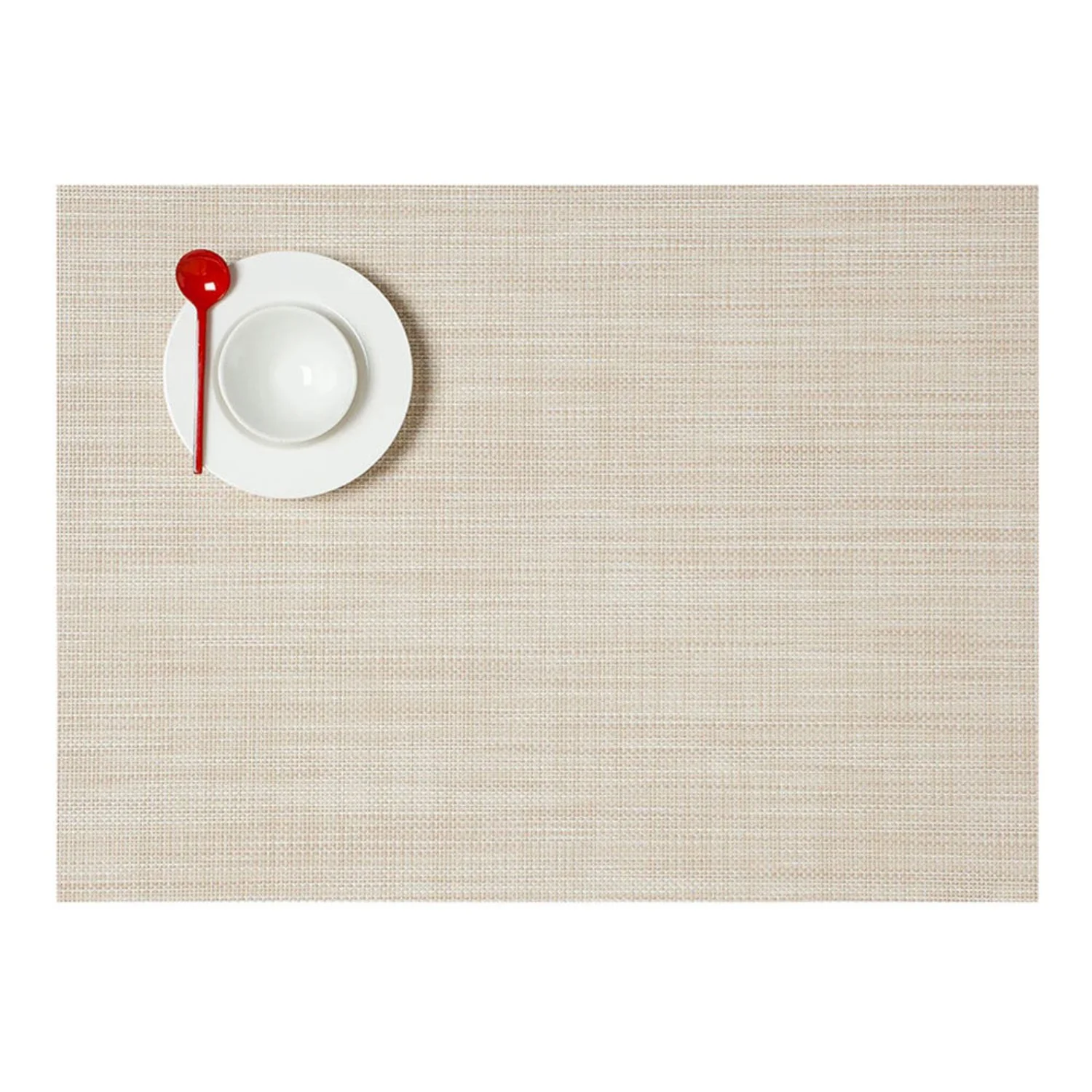
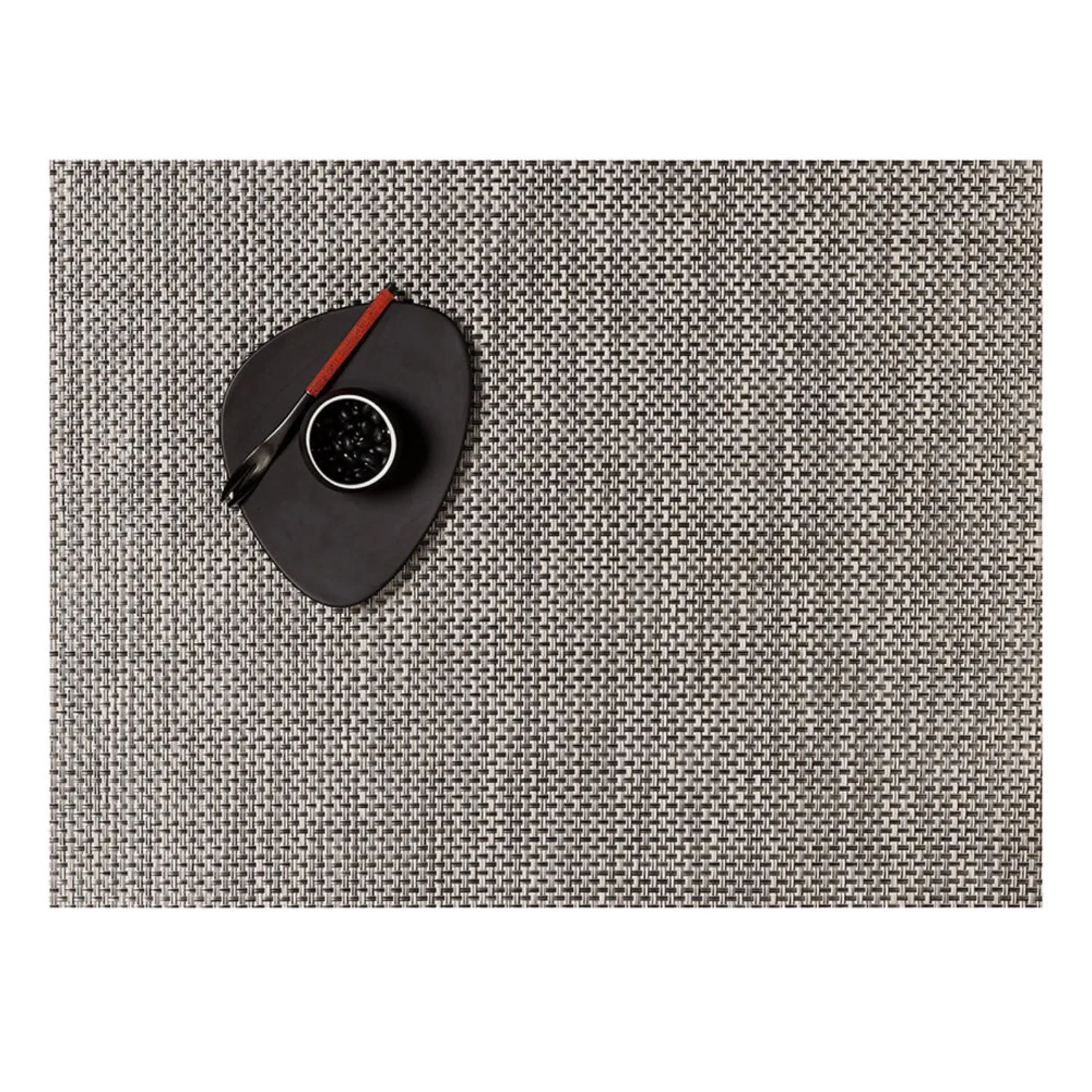
chilewich | placemat rectangle | sampler wheat
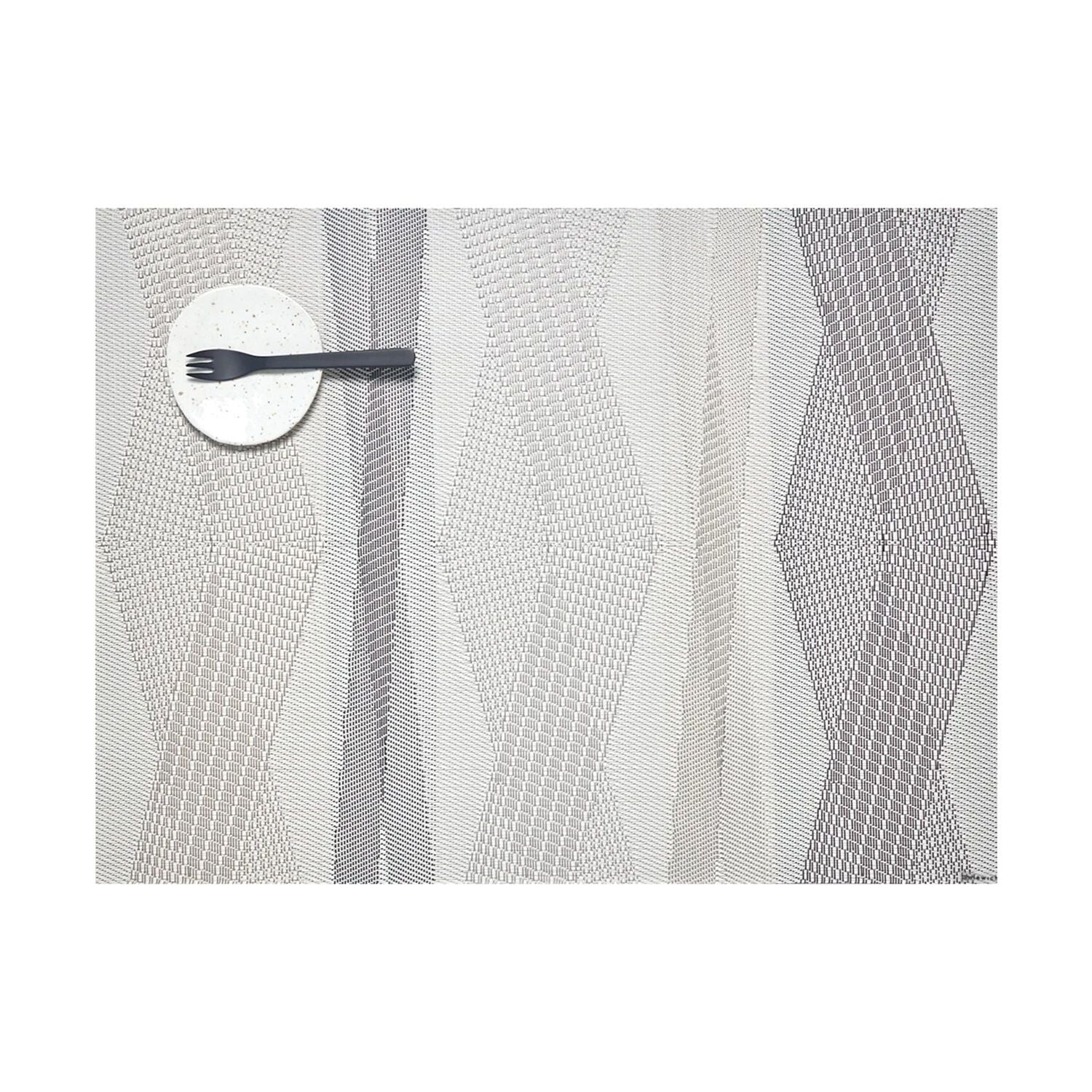
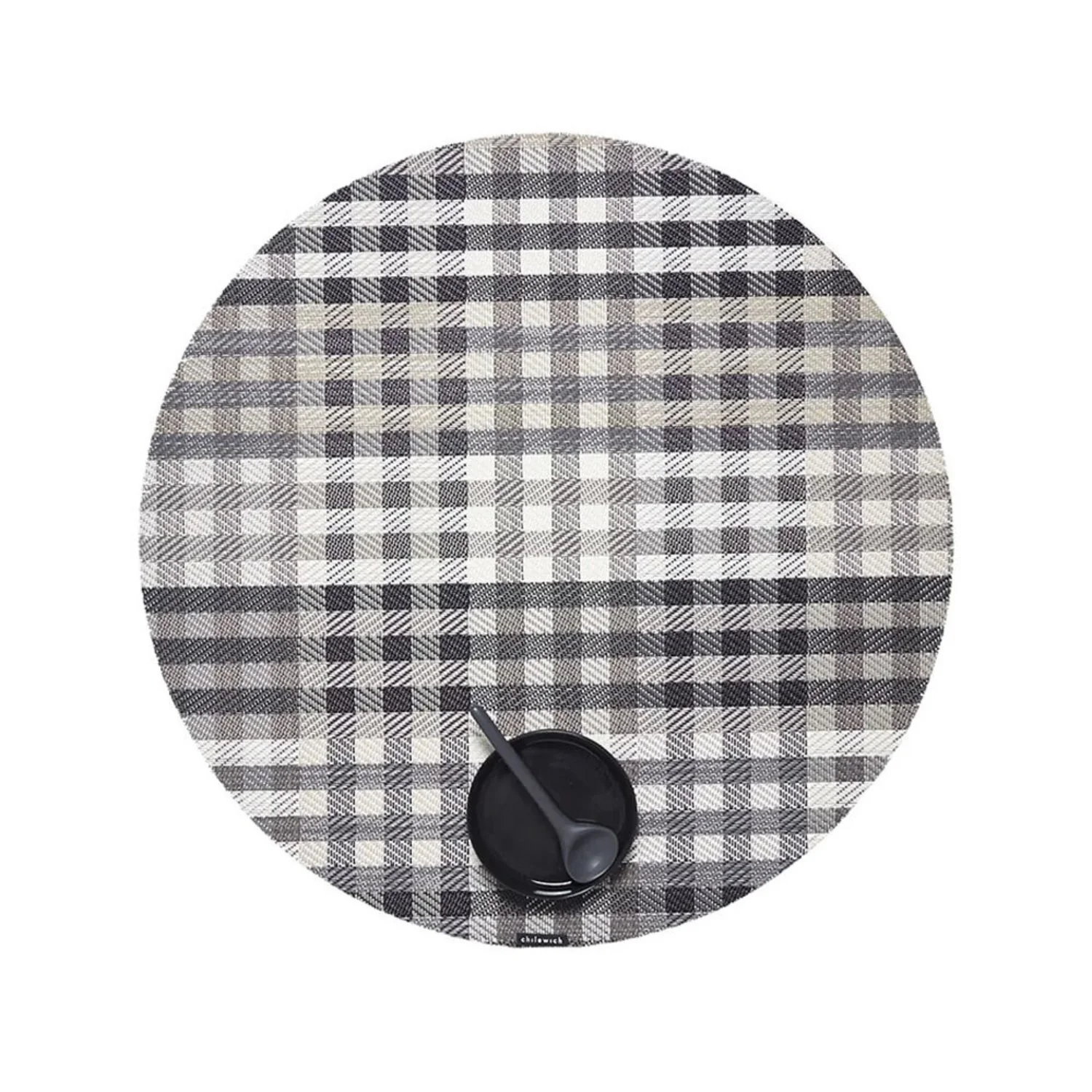
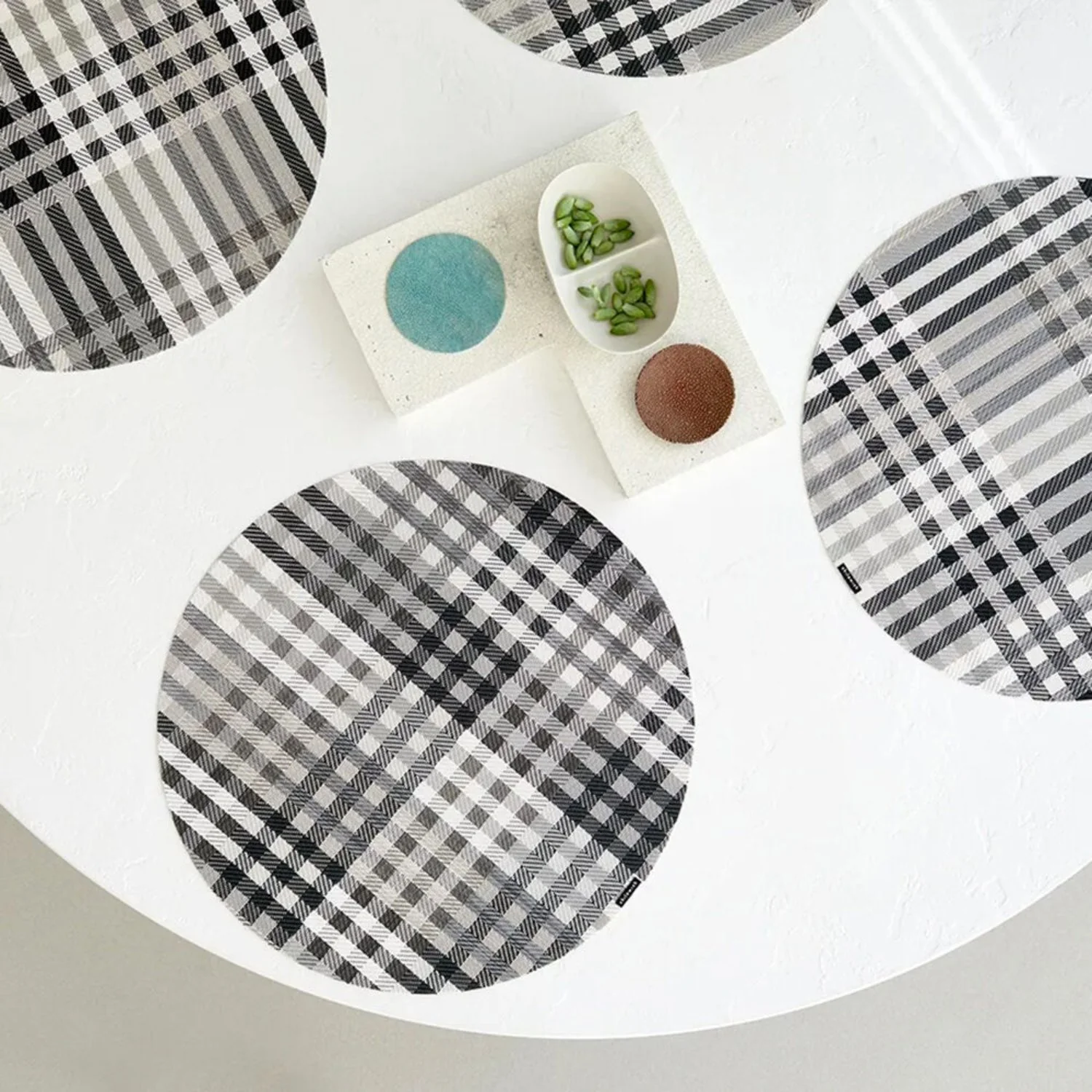
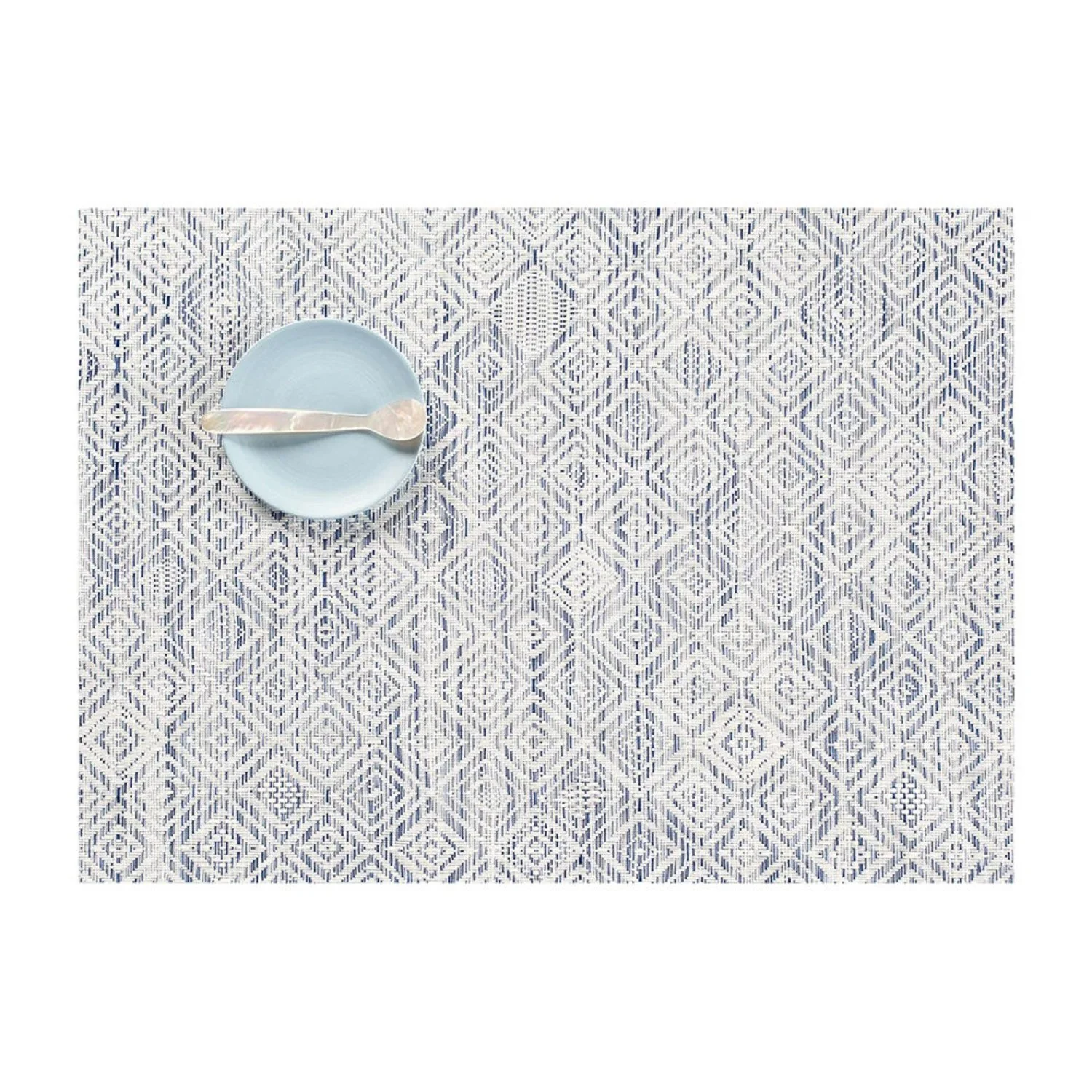
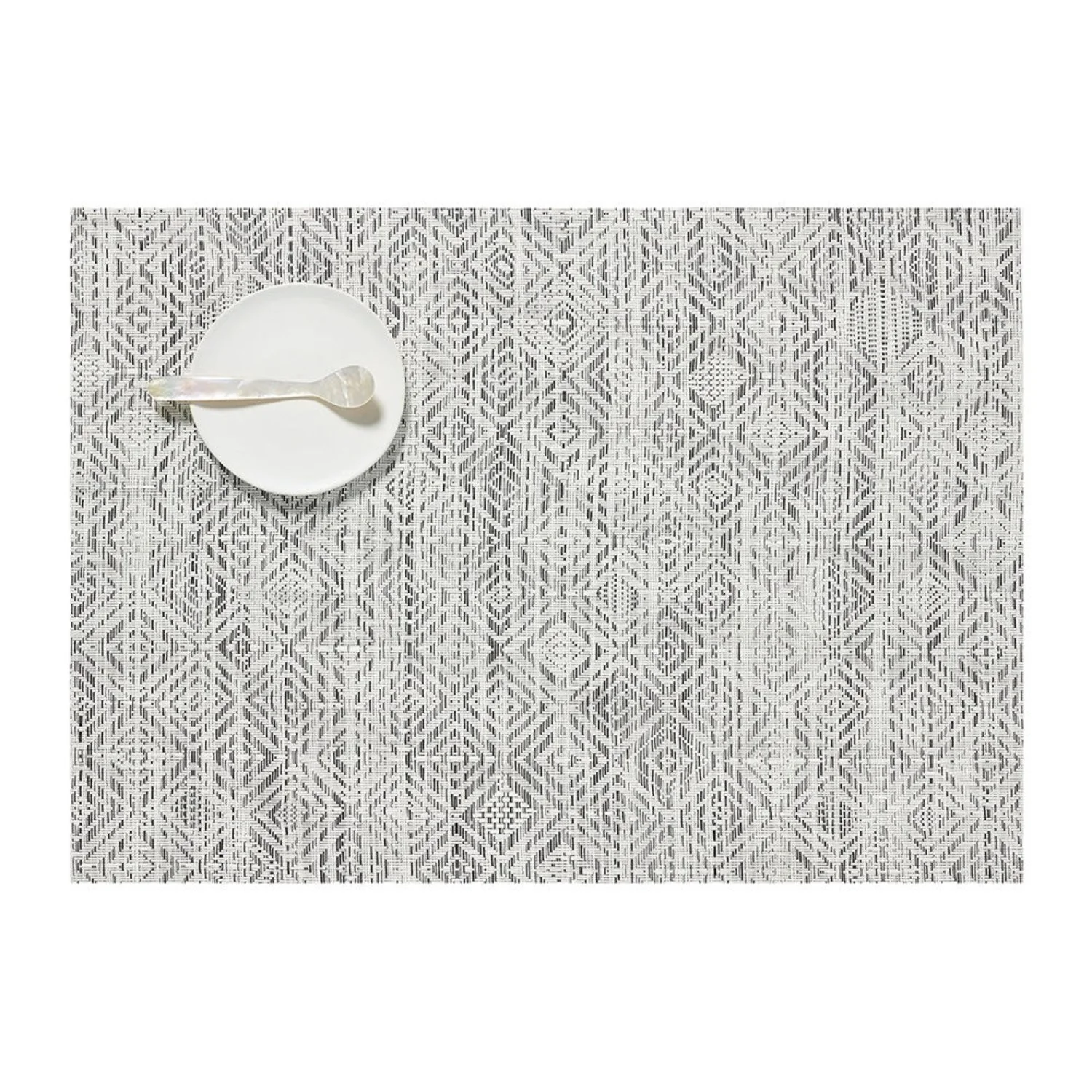
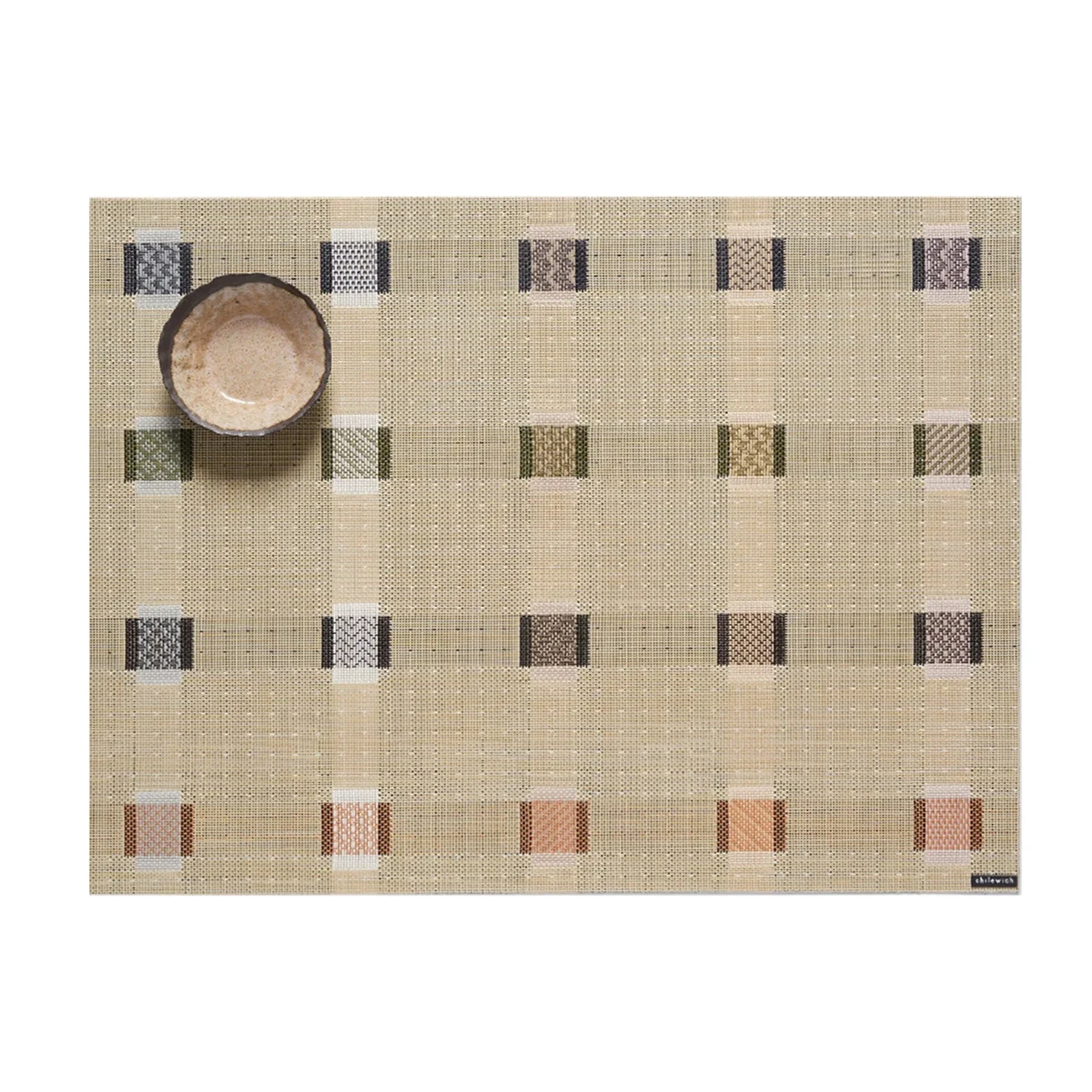
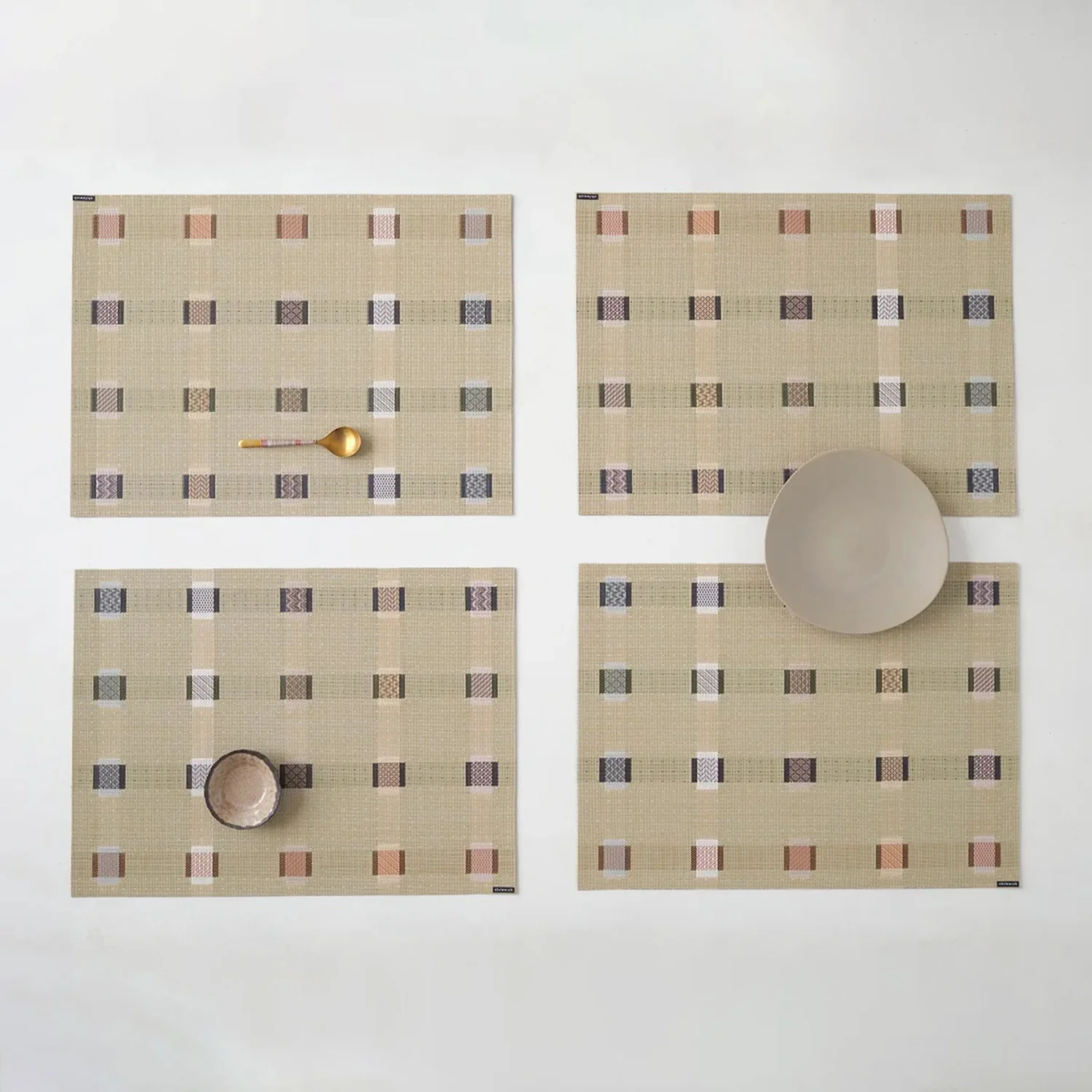
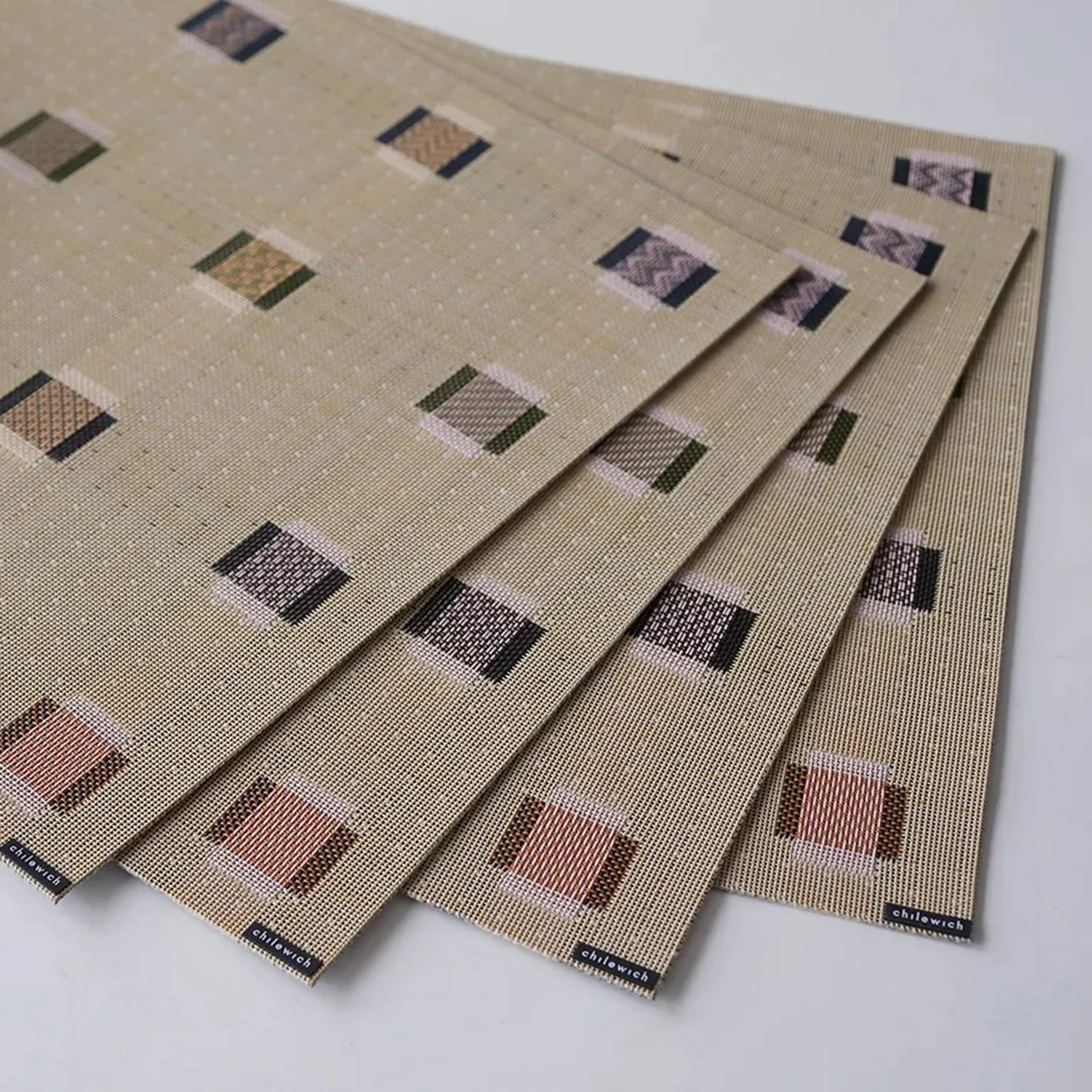
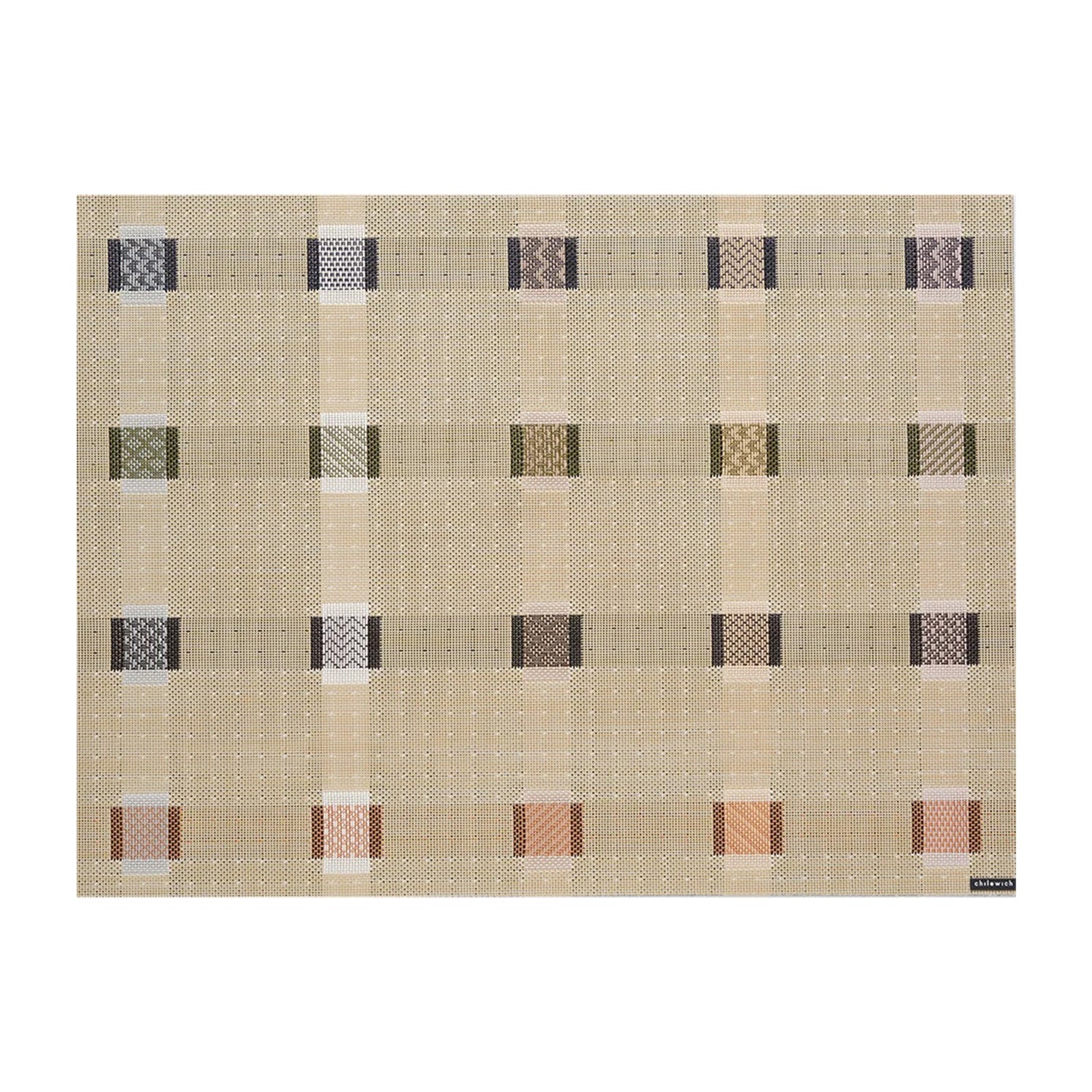
In Sampler, paired rectangles come together, introducing a distinctive weave as they overlap. This dynamic design is inspired by samplers that were used to learn and demonstrate darning: a sewing technique for repairing holes or worn areas in fabric by replicating the structure of the original material. Dating back to at least the 18th century, these samplers typically covered small pieces of cloth in darning 'blocks' of various weave structures in a variety of colours - especially blue, green, red, and yellow yarns - to make intricacies visible and show the weaver's skill.
Cleaning instructions: Simply wipe with soap, water, and a soft sponge or cloth. Scrub stubborn stains with a soft bristle-brush and a bleach-based cleanser.
Product Information
Product Information
Shipping & Returns
Shipping & Returns
chilewich | placemat rectangle | sampler wheat
chilewich | placemat rectangle | sampler wheat
In Sampler, paired rectangles come together, introducing a distinctive weave as they overlap. This dynamic design is inspired by samplers that were used to learn and demonstrate darning: a sewing technique for repairing holes or worn areas in fabric by replicating the structure of the original material. Dating back to at least the 18th century, these samplers typically covered small pieces of cloth in darning 'blocks' of various weave structures in a variety of colours - especially blue, green, red, and yellow yarns - to make intricacies visible and show the weaver's skill.
Cleaning instructions: Simply wipe with soap, water, and a soft sponge or cloth. Scrub stubborn stains with a soft bristle-brush and a bleach-based cleanser.
Original: $41.56
-65%$41.56
$14.55Product Information
Product Information
Shipping & Returns
Shipping & Returns
Description
In Sampler, paired rectangles come together, introducing a distinctive weave as they overlap. This dynamic design is inspired by samplers that were used to learn and demonstrate darning: a sewing technique for repairing holes or worn areas in fabric by replicating the structure of the original material. Dating back to at least the 18th century, these samplers typically covered small pieces of cloth in darning 'blocks' of various weave structures in a variety of colours - especially blue, green, red, and yellow yarns - to make intricacies visible and show the weaver's skill.
Cleaning instructions: Simply wipe with soap, water, and a soft sponge or cloth. Scrub stubborn stains with a soft bristle-brush and a bleach-based cleanser.